
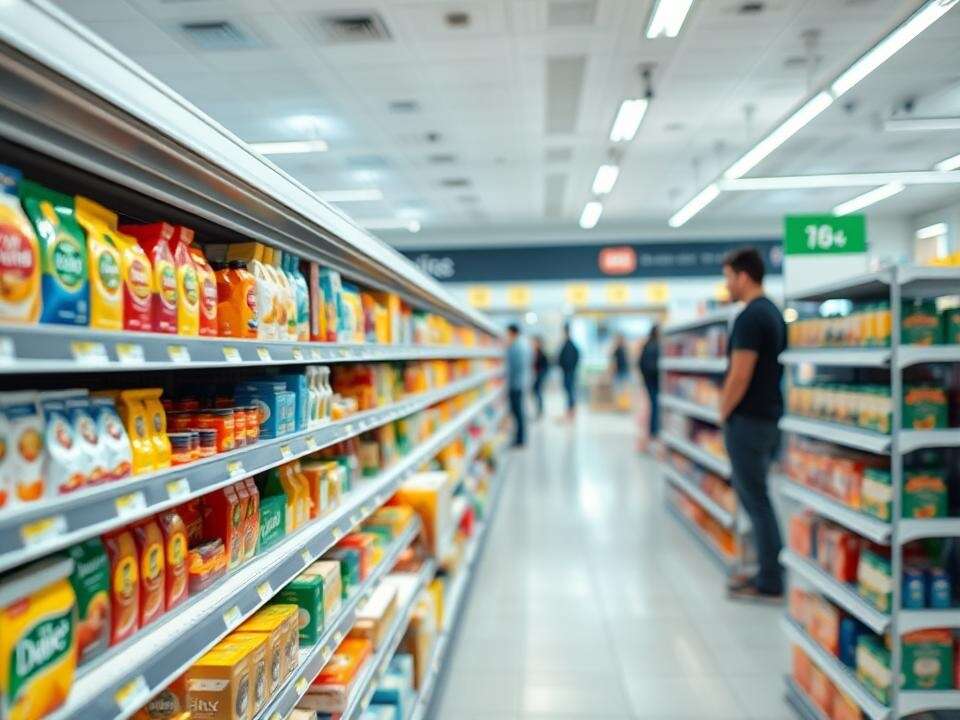

New Delhi: After a year of consolidation, FMCG companies are recalibrating growth plans for 2026, sharpening focus on dual-speed consumers, premium portfolios and faster-moving channels like quick commerce.The shift is evident in how industry leaders are approaching the new year. Rather than simply banking on policy tailwinds like GST cuts to drive growth, companies are investing in understanding and responding to what Neha Rao, VP-Marketing at Bikaji Foods, describes as “dual-speed behavior”—consumers who are simultaneously value-conscious and open to experimentation with new flavors, formats, and premium offerings.
“One of our biggest learnings in 2025 has been the clear dual-speed behavior of Indian consumers. On one hand, they seek trusted brands with consistent quality; on the other, they are increasingly open to experimentation,” said Rao, highlighting how this insight is forcing a strategic balancing act between everyday value propositions and differentiated, occasion-led premium offerings.This consumer evolution is reshaping how companies think about growth. For Parle Products, the learning has been about resilience in unexpected places. “One of the key learnings from 2025 has been the resilience of consumption, particularly in rural markets. Despite earlier inflationary pressures, demand held up well,” said Mayank Shah, Vice President at Parle Products, noting that affordability remains a strong driver even as aspirations rise.
The policy environment has certainly provided tailwinds. The GST rate reduction that moved daily-use items to the 5% slab has improved both affordability and operating clarity. “The GST rate reduction proved transformational for the FMCG sector, improving affordability and accessibility. This will certainly help improving demand across mass categories, especially packaged food,” said Saugata Gupta, MD & CEO of Marico Limited.
Execution edge in emerging markets
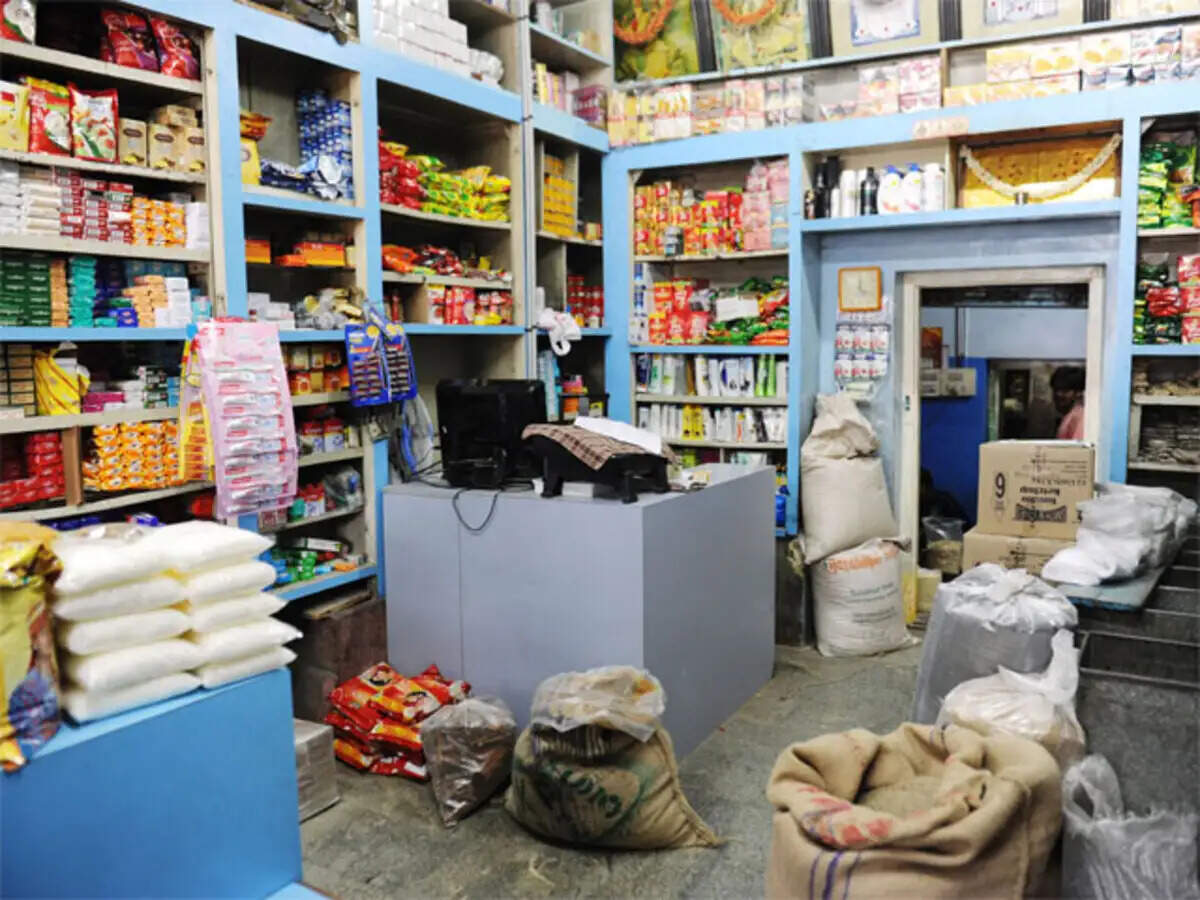
Beyond consumer insights, a critical transformation is happening at the point of sale—particularly in Tier 2 and Tier 3 markets emerging as new growth engines. Mahimm Gupta, Founder & MD of PPMS Group, notes that brands are now approaching non-metro stores with metro-level execution rigor, with real-time data tracking preventing stock-outs during peak festive periods and “first to store” strategies helping brands secure better shelf visibility amid intense competition.
Channel complexity and premiumization
Quick commerce has emerged not just as a distribution challenge but as a channel that’s “changed the rules of visibility and availability,” according to Bikaji‘s Rao. The company is responding by building channel-specific assortments and faster activation cycles while ensuring general trade remains profitable—a delicate equilibrium most players are still figuring out.
What’s striking is the absence of a one-size-fits-all approach for 2026. Ritesh Arora, CEO of India & Far East Business, LT Foods said that the company’s basmati business, with 85% urban-led consumption, remains insulated from rural concerns. “The consumer is not price averse, but more value conscious. They are willing to pay more if they understand the value proposition,” he said, emphasizing that premiumization trends are accelerating in urban markets.
Meanwhile, traditional mass-market players like Parle are refusing to choose between value and premium. “For 2026, we are not looking at growth through just one lens. The value segment will continue to be a strong driver given the significant headroom in India. At the same time, we are also seeing good traction in the premium segment,” said Shah.
Category innovation is also accelerating. Sudhir Sitapati, MD & CEO of Godrej Consumer Products, is particularly bullish on new category adoption. “There’s rapid adoption of new categories happening in India. Pet care, for example, is very exciting—we have also entered this space. Fabric care liquids, perfumes, and deodorants are doing well,” he said, expecting momentum to build on the back of tax reductions putting more money in consumers’ hands.
Distribution expansion remains a priority, particularly in underpenetrated markets, pursued alongside premiumization and digital channel mastery. LT Foods expects e-commerce to grow at higher double-digits as platforms expand geographically, while Bikaji is scaling up quick commerce partnerships as critical growth engines alongside traditional trade.
Leave a Comment