
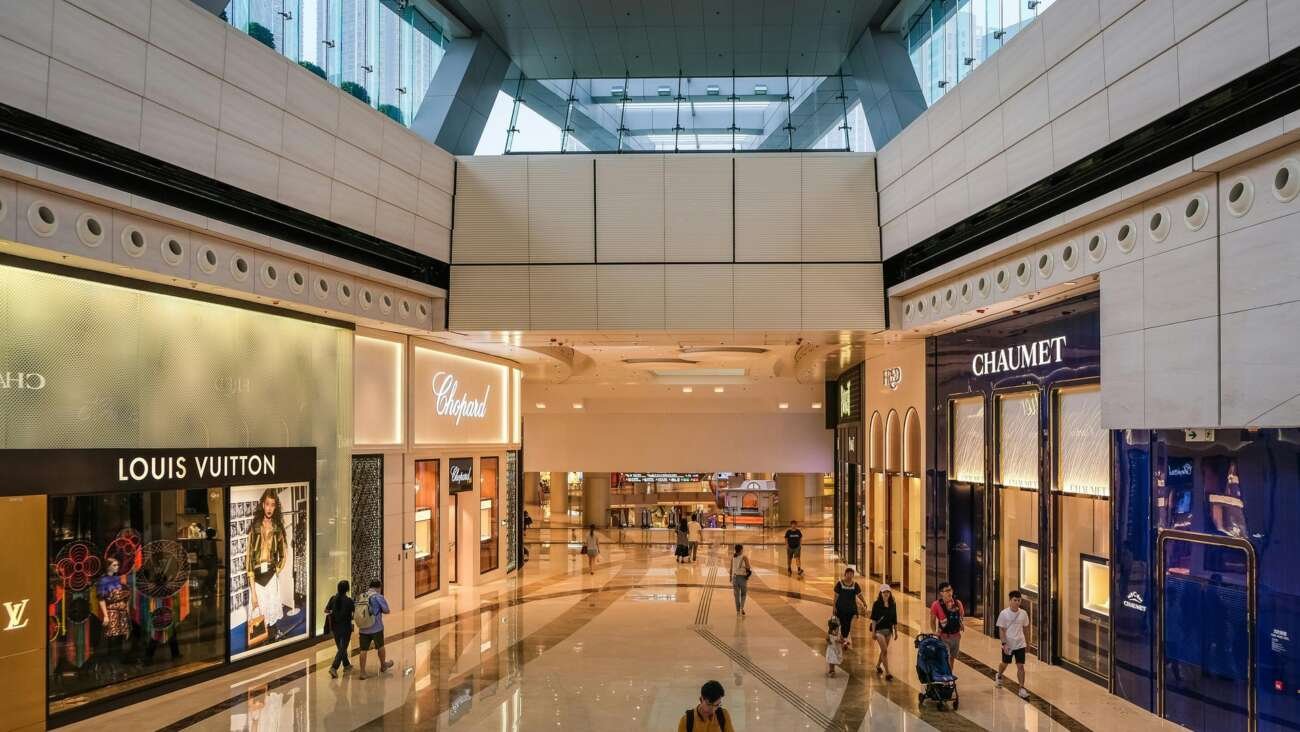

Walk through any large Indian city on a weekend evening, and the shift is easy to notice. The busiest places are no longer defined by what people are buying. They are defined by how long people stay. Retail in India is no longer defined by transactions alone. Over the past decade, the purpose of commercial spaces has quietly but fundamentally changed. Malls, high streets, and mixed-use developments are now being shaped less as places to shop and more as places to spend time. This shift towards experience-led retail is being driven by changing consumer behaviour, evolving urban lifestyles, and a growing preference for destinations that combine entertainment, leisure, culture, and community.
This change did not arrive suddenly, nor did it come from retail alone. It reflects how urban life itself has evolved. Time has become tighter, choices wider, and attention harder to earn. Consumers today are not short of places to shop. What they look for instead are places that feel alive, places where multiple things can happen at once, and where spending time feels justified even if no transaction follows.
Retail had to respond to this reality in a very different way, and that is what has been the genesis of the experience-led retail.
When Shopping Stopped Being the Point
For decades, physical retail served a simple purpose. You needed something, you went out to buy it, and you returned home. The experience around that act was incidental. Even early malls followed this logic. They were efficient, enclosed, and designed to move people through stores quickly. This model began weakening well before e-commerce became mainstream. Online platforms accelerated the shift by removing the need to visit physical stores for basic purchases. As convenience moved online, physical retail had to find a new reason to exist.
That reason has increasingly become experience. Physical spaces now compete not just with other malls, but with living rooms, streaming platforms, and weekend travel. To stay relevant, retail developments have had to offer something digital platforms cannot replicate. Atmosphere, human connection, live entertainment, and large-scale social experiences have moved to the centre of planning.
This evolution is visible in how newer developments are designed. They prioritise open layouts, public plazas, performance zones, sports and recreation areas, and dining streets that encourage lingering rather than quick exits. Retail benefits from this dwell time, but it is no longer the sole driver.
When Entertainment Stops Being a Side Note
There was a time when entertainment inside retail spaces followed a predictable pattern. It sat at the edge of the experience. A cinema tucked away on an upper floor. A weekend activity that appeared briefly and disappeared just as quickly. It existed to support shopping, not to lead it.
That equation has changed. In many large developments today, entertainment is not something visitors stumble upon. It is what brings them in. People arrive because there is a screening they want to catch, a performance they have heard about, or simply because the place feels active on a given evening. Shopping happens in between. Sometimes it does not happen at all.
This shift has altered how people move through these spaces. Visitors are not rushing from store to store. They slow down. They pause. They watch. They sit. They eat. When they enter a shop, it is often out of interest rather than intent. That distinction matters. Browsing becomes relaxed. Engagement feels optional. Retail benefits not from urgency, but from time.
In Indian cities, peak crowds still gather in the evenings and over weekends. That has not changed. What has changed is duration. Early screenings, late-night food formats, live broadcasts, and extended event schedules have stretched how long these destinations remain relevant in a single day. A place no longer feels switched on only after sunset. It stays in motion longer, even if footfall builds gradually.
Familiar Places Continue to Pull Crowds
Traditional retail formats often relied on novelty. Once the excitement of opening faded, repeat visits became harder to sustain. Entertainment-led destinations age differently.
People return not because everything looks new, but because everything does not feel fixed. A plaza hosts a public screening one month and a small cultural gathering the next. A space used for performances shifts into a festival zone during holidays. The structure remains familiar, but the experience does not settle into routine.
This balance is subtle but powerful. Visitors know where they are going. They understand the scale and the layout. What they do not fully know is what will unfold that evening. That uncertainty keeps the destination in circulation. It encourages repeat visits without relying on constant reinvention.
Over time, this consistency builds habits. People stop treating the destination as an occasional outing and start seeing it as a place they can return to without planning too much in advance.
Food as the Starting Point, Not the Finish Line
Food has taken on a very different role in these environments. In many newer developments, dining is no longer something that follows shopping. It is what starts the visit.
This is evident in how food spaces are designed. Instead of being compressed into enclosed courts, they now spill into open streets, shaded plazas, and shared seating areas. Movement is loose. Seating is generous. There is no sense of being hurried along. People arrive knowing they will stay for a while.
What makes food such a strong anchor is behaviour, not variety. Meals stretch into conversations. Conversations drift into walks. Someone suggests a dessert elsewhere or a quick look around. Retail enters this flow quietly. Browsing happens between moments, not as a task to be completed.
There is also something instinctively familiar about this format. Indian markets have always mixed eating, walking, browsing, and meeting people without separating them into categories. The newer generation of experience-led destinations draws from that same instinct. You come for one reason and end up staying longer than expected.
Cultural activity deepens this rhythm. A small performance, a temporary exhibition, a seasonal market. These elements give the space a changing texture. A visit in one month does not feel identical to a visit in another. The destination stays recognisable, but never static.
This environment also changes how brands show up. Stores are no longer designed only to convert. Many are built to be entered casually, even briefly. A display catches attention. A conversation starts. Sometimes it ends there. Sometimes it does not. The interaction itself has value.
What people remember from such places is rarely a single store. They remember the evening. The food. The movement. The feeling of time passing without being noticed.
Why Access Determines Whether Experience Sticks
No experience works if reaching it feels like effort. Over time, access has become one of the strongest predictors of whether a destination becomes habitual or occasional.
Developments that align naturally with metro lines, arterial roads, and expressways extend their relevance. They work for short visits and longer plans. This flexibility matters, especially for spaces built around events that draw people from across a city or beyond it.
As cities expand, such destinations often end up shaping entire zones. They become meeting points. Reference markers. Places people use to describe where they are going. Gradually, they influence how neighbourhoods are perceived and used.
The Impact That Does Not Show Up in Numbers
The value of experience-led retail extends well beyond sales. These destinations support sustained employment across food, events, hospitality, operations, and maintenance. Many of these roles are ongoing rather than seasonal.
They also create room for local participation. Performers, artists, independent operators, and service providers find space within ecosystems that evolve with programming. This keeps environments grounded and prevents them from feeling generic.
Events draw visitors who contribute beyond the venue itself. Hotels, transport, and surrounding districts feel the effect. Over time, cities benefit from a broader economic identity.
The Rise of Places That Feel Alive
The next phase of retail in India will not be defined by scale alone. Bigger spaces will not succeed unless they feel easy to navigate, flexible to use, and comfortable to spend time in. Technology will support this quietly, helping with information and access, but it will not replace the core appeal. That appeal remains human. People gathering. Eating together. Watching something unfold live. Spending time without an agenda.
Experience-led retail reflects a simple truth. People value their time as much as their money. Destinations that respect this, that invite rather than demand, and that give people reasons to return without obligation will shape the future of urban spaces.
Retail, in this sense, is no longer about stores alone. It is about choice. The choice to arrive, to stay, and to return. That choice, repeated over time, is what separates places that fill up from places that endure.

Leave a Comment